PlusSmart · Authorised Poseidon Systems distributor – Australia, NZ, ASEAN
Poseidon Systems Trident™ – online oil quality and wear-debris monitoring for gearboxes, turbines and compressors
Lubricating oil carries every trace of wear inside a machine. Trident sensors mount directly on the oil line, measure oil condition and count metal particles 24/7, and send data through a gateway to SCADA or the cloud – the earliest and most reliable way to know gears and bearings are failing, and to change oil on condition instead of on schedule.
- Oil condition
- In-line wear debris
- Remaining useful life
- IIoT ready
Why oil monitoring detects failure earliest
On the P-F curve, as soon as a gear tooth or bearing raceway begins to pit, the first metal particles enter the oil – before the damage is large enough to create measurable vibration and long before heat or noise. For oil-lubricated equipment such as gearboxes, wear-debris monitoring is therefore usually the earliest signal. In one documented case, a Poseidon sensor detected a gear-tooth defect that both borescope inspection and vibration analysis had missed.
The oil itself also degrades: oxidation, additive depletion, water and particle contamination. Poor oil thins the lubricating film and accelerates wear, so knowing oil condition in real time both protects the machine and avoids changing oil that is still good.
Key oil parameters
| Parameter | Meaning | Warning sign |
|---|---|---|
| Ferrous wear debris | Wear of steel gears and rolling bearings | Rapid rise in particle count and size – surface fatigue, spalling |
| Non-ferrous debris | Wear of bronze bushings, bearing cages, aluminium parts | Unusually large particles |
| Water contamination | Cooler leaks, condensation | Rising water content – thinner film, corrosion, rust |
| Oil condition | Oxidation, additive depletion, wrong oil | Faster-than-normal degradation trend |
| Cleanliness (ref. ISO 4406) | Particle counts at 4/6/14 µm | Rising cleanliness code – filter failure, dust ingress |
Poseidon Trident product family
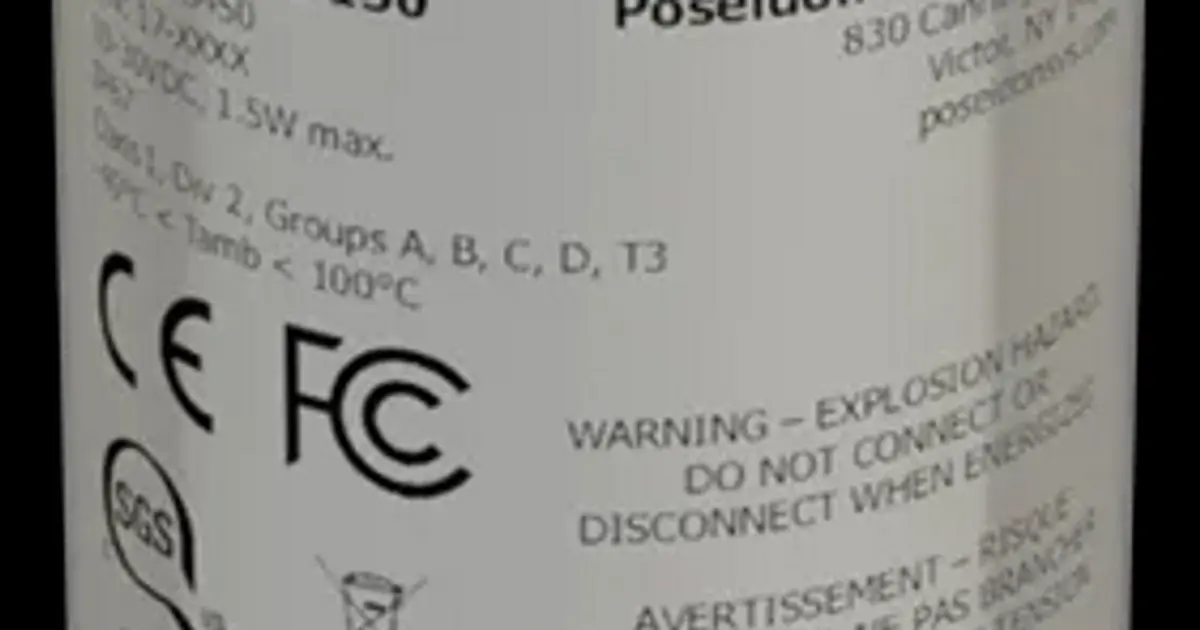
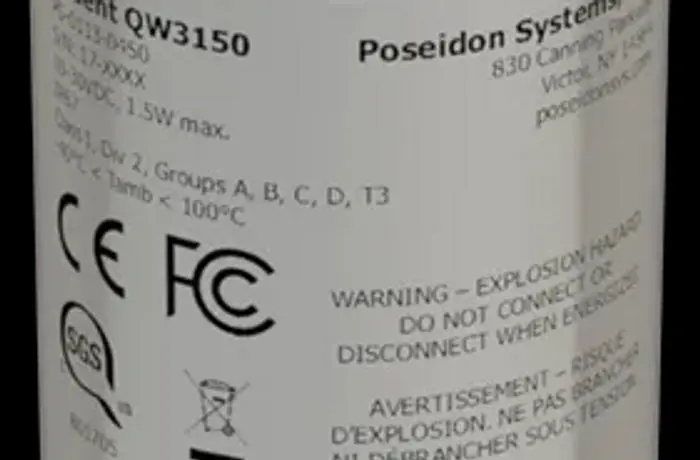
Trident QW3100 / QM3100
Oil quality sensors.
- Current oil condition and trends
- Reliability event alerts
- Remaining useful life (RUL) of the oil
- Lower oil consumption with condition-based changes
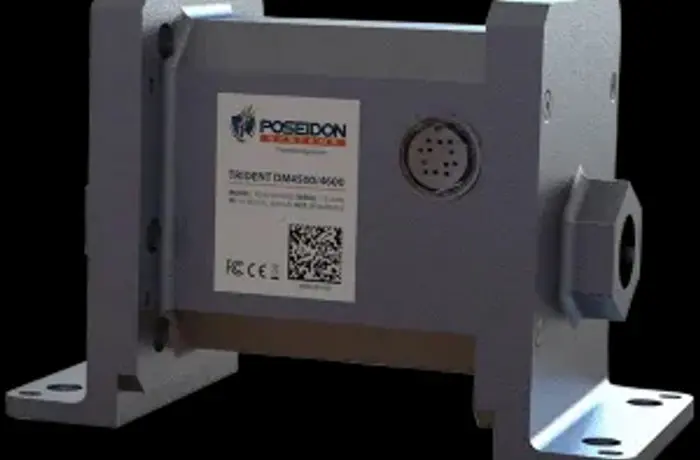
Trident™ Wear Debris Monitor
In-line metal particle sensor.
- Real-time detection of metal particles and debris
- Earliest method to detect mechanical failure in oil-lubricated equipment
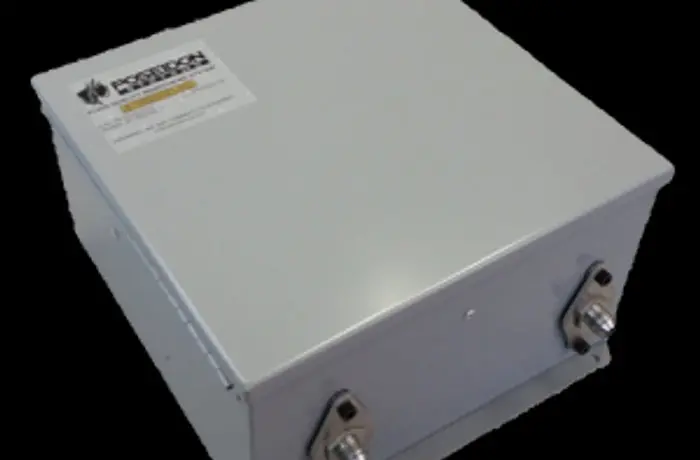
Trident FQMS 2.0
Advanced IIoT oil-quality monitoring system for critical assets.
- Designed and tested for mining, locomotives, heavy vehicles, power generation, marine
- Multiple sensors in one system
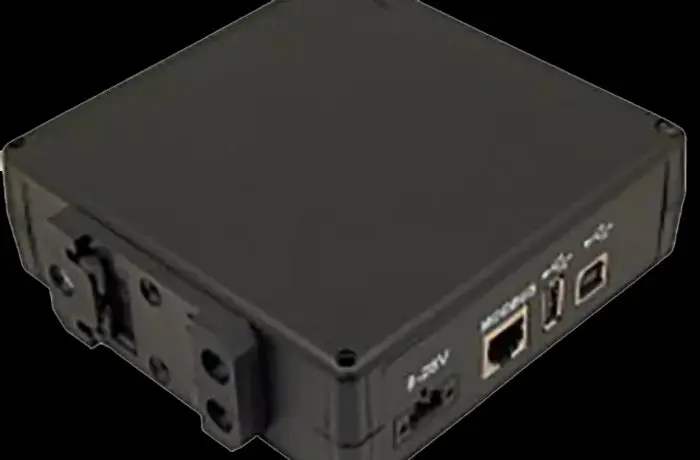
Trident AP2200
Edge and data-transmission device.
- Connects sensors to the Internet
- Easy, reliable data collection; SCADA or cloud integration
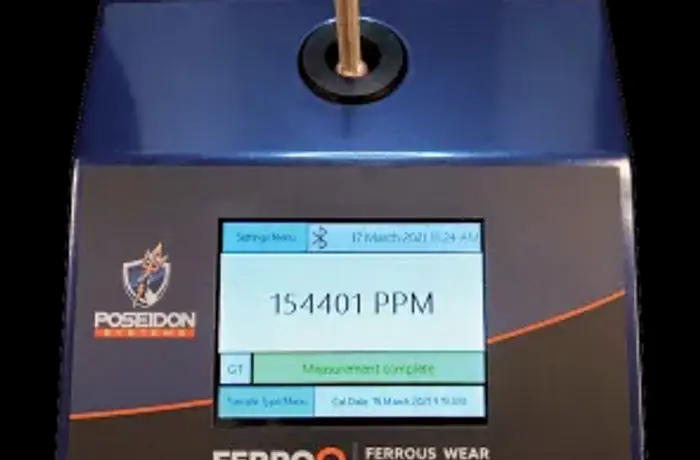
Ferrous wear analysers
Portable and benchtop units.
- Oil condition, wear debris and contamination with high accuracy
- In the field or in the workshop
- Less dependence on external oil labs
Installation: where on the oil system?
- On the circulating oil line or an isolatable branch: after the oil pump and, for debris sensors, before the filter so particles are caught before the filter removes them.
- Splash-lubricated gearboxes without circulation: use a small kidney loop with a pump to pass oil through the sensor.
- Stable flow and temperature: follow the manufacturer’s flow recommendations for repeatable results.
- Align with planned shutdowns: PlusSmart surveys and selects the mounting point to match your next maintenance stop.
Where it is proven
Frequently asked questions
Does the equipment have to stop for installation?
Sensors mount on the oil line, usually on an isolatable branch; PlusSmart selects the location to match your shutdown schedule.
Does it replace laboratory oil analysis?
Online monitoring gives early, continuous warning; laboratory analysis remains useful for detailed confirmation. Many plants significantly reduce sampling frequency.
Which oils can be monitored?
Industrial lubricating oils for gearboxes, turbines, compressors and hydraulics – PlusSmart confirms each application.
Oil monitoring or vibration – which one?
For gearboxes and circulating oil systems, wear debris usually warns first; vibration helps locate the fault and sees non-debris faults such as misalignment and unbalance. Critical assets benefit from both.
Works with
- i-ALERT® – wireless vibration, temperature and run time
- ElectroSine – electrical signature analysis for gearbox drive motors
- PlusSmart Analytics – oil, vibration and electrical data in one ranking
Nominate your most critical gearbox or oil system
PlusSmart installs a trial sensor alongside your current oil-sampling schedule – you compare both and see how much earlier the sensor warns.
Hoan Tran – Sales Director, PlusSmart Vietnam
Phone/Zalo: +84 879 848 668 · Email: sales@hoantrantdh.com